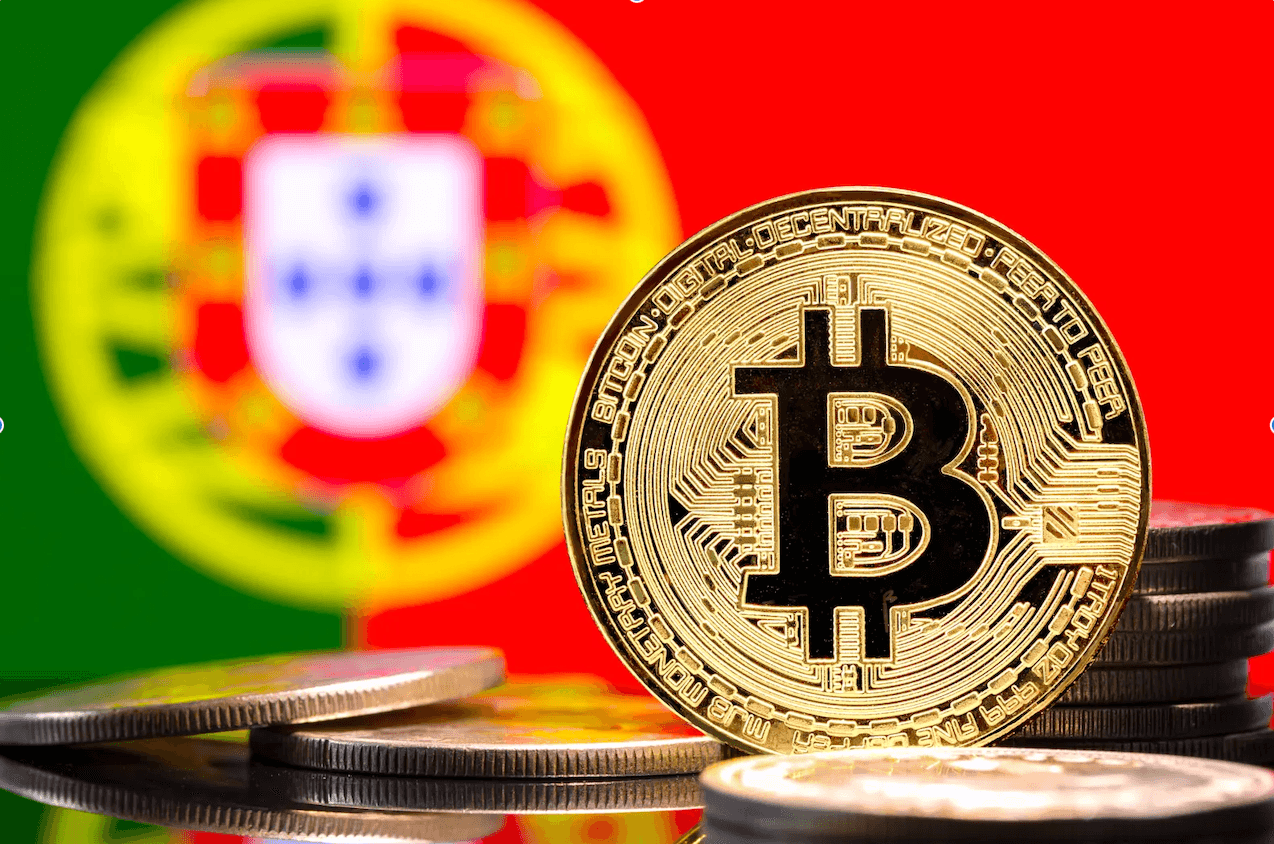
National Leaders Need Bitcoin
The world is undergoing an unprecedented technological transformation — one that national political leaders cannot afford to ignore. Bitcoin is a significant part of this transformation and represents a paradigm shift in three major, interconnected domains: national sovereignty and competitiveness, strategic organization, and monetary rights.
Thus, Bitcoin is no longer merely an experiment, and developments on the global stage are advancing rapidly. The United States is moving forward with the creation of a strategic Bitcoin reserve, the BRICS nations are exploring the potential of Bitcoin and other monetary alternatives to escape dependence on the U.S. dollar, and countries such as El Salvador have already made Bitcoin legal tender.
For Portugal, these changes represent both challenges and opportunities. Major financial institutions are developing Bitcoin custody services and other Bitcoin-backed financial products. Companies in the energy sector are exploring Bitcoin mining as a way to stabilize the electrical grid and reduce methane emissions. Non-profit organizations are using Bitcoin to increase financial inclusion for hundreds of millions of people without access to basic banking services. Countries that fail to recognize and adapt to this ongoing paradigm shift risk being left behind and losing competitive advantage.
Bitcoin is the first truly global and decentralized monetary system capable of operating independently of any government or corporation. In countries where citizens face capital controls, hyperinflation, or authoritarian regimes, Bitcoin offers the freedom to transact and financial sovereignty. Even in stable democracies, rising public debt and inflation are leading citizens to question traditional monetary policy and seek assets such as Bitcoin to preserve their purchasing power. For all these reasons, Portuguese political leaders must deepen their understanding of Bitcoin and its implications.
Bitcoin lies at the intersection of several disciplines — namely technology, economics, energy, politics, and human rights. Understanding Bitcoin requires mastery of these fields. However, such knowledge and expertise are not something that public institutions currently possess internally.
The Portuguese Bitcoin Institute was created to bridge this knowledge gap and to educate policymakers and specialists in their respective areas who lack the time or inclination to study Bitcoin in depth, enabling them to make informed political and regulatory decisions.
Accordingly, the Portuguese Bitcoin Institute aims to develop and publish reliable, fact-based, and evidence-driven research that cuts through the noise. In doing so, we seek to expand Bitcoin literacy and understanding among Portugal’s political class. The future of Portuguese monetary sovereignty, energy strategy, and economic competitiveness depends on how Portugal and its leaders approach Bitcoin and harness the potential of this disruptive technology.
The Portuguese Bitcoin Institute will be there to help our political leaders lead the way.